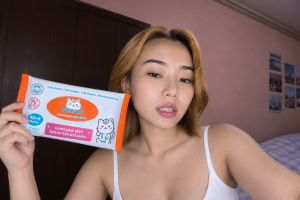
You must have seen social media accounts with millions of followers that post so often that it makes you wonder how do these people make a living? Contrary to what many may believe, these people are far from unemployed.
What social media influencers get is an abundance of money with the help of the latest digital marketing trends. While beneficial for companies, the process of finding, contacting, making deals, and tracking them is often tedious. Influencer marketing platforms help you with your marketing. With influencers being overly popular through this form of digital marketing, it is very important for today’s marketers to know about suitable platforms.
Why Use an Influencer Marketing Platform
Influencer marketing platforms solve common challenges brands face when working with creators. They make it easier to find and verify influencers, manage campaigns, approve content, handle payments, and track performance. Instead of juggling spreadsheets and messages, you get a central system with creator profiles, audience data, engagement metrics, campaign assets, and results.
The influencer marketing market is large and growing. Reports show it is a multi-billion-dollar industry with strong returns on investment when campaigns are run well. Many brands now allocate part of their marketing budget to influencer campaigns due to high adoption and measurable ROI.
Step-by-Step Guide to Running an Influencer Marketing Campaign
1. Define Objective & Budget
Before starting, clearly define what you want to achieve with your influencer campaign. Your objective could be brand awareness, driving sales, app installs, or generating user-generated content. Set specific, measurable, achievable, relevant, and time-bound goals.
Determine your total campaign budget, including:
- Influencer payments (flat fee, performance-based, product exchange)
- Platform subscription or service fees
- Creative production costs
- Tracking and analytics tools
Having a clear objective and budget ensures you select the right influencers and measure success accurately.
2. Choose Platform Based On Target Audience
Select an influencer marketing platform that aligns with your campaign needs and target audience. Consider:
- Audience demographics and engagement analytics
- Supported platforms (TikTok, Instagram, YouTube, LinkedIn, etc.)
- Discovery filters for niche targeting
- Built-in campaign management and reporting tools
Your platform choice impacts campaign efficiency, accuracy, and measurement.
3. Build Shortlist with Platform Discovery Tools
Use the platform’s search and filters to identify potential influencers:
- Filter by audience demographics, location, interests, engagement rate, and content type
- Look at previous brand collaborations and performance metrics
- Shortlist creators who are aligned with your brand voice and campaign objectives
Create an initial list of 8-20 influencers to run a pilot campaign.
4. Run Verification Checks & Shortlist Final Creators
Not all influencers with large audiences are genuine. Verify each influencer by:
- Checking for real engagement (comments vs. likes)
- Scanning for fake followers or bot activity
- Reviewing past content for brand alignment and authenticity
- Confirming audience location matches your target market
Finalize your list of creators who meet your criteria and are trustworthy.
5. Send Briefs & Negotiate Terms
Prepare a detailed creative brief for each influencer including:
- Campaign objectives and KPIs
- Key messages and calls-to-action
- Content formats and visual guidelines
- Timeline and posting schedule
- Legal requirements (disclosures, copyright, usage rights)
Negotiate payment terms, deliverables, and timelines. Platforms often provide contract templates and automated payment options to streamline this step.
6. Execute Pilot Posts with Tracking Implemented
Run a small-scale test campaign before full-scale execution:
- Implement UTM links, promo codes, or affiliate links for accurate tracking
- Ensure tracking pixels or analytics tools are integrated
- Monitor influencer content to confirm compliance with brief and guidelines
Pilot campaigns allow you to assess engagement, conversion, and content quality before scaling.
7. Measure Results & Decide Which Creators To Scale
Analyze performance data against your objectives:
- Engagement: Likes, comments, shares, video watch time
- Traffic: Clicks to your website or landing pages
- Conversions: Purchases, sign-ups, downloads, promo code redemptions
- ROI: Cost per acquisition (CPA) or return on ad spend (ROAS)
Identify top-performing influencers and content formats to prioritize for scaling.
8. Negotiate Longer Term Deals with Top-Performing Creators
Once pilot results are in:
- Negotiate long-term contracts or ambassador programs with the best performers
- Offer incentives such as performance bonuses or recurring collaborations
- Establish clear expectations, deliverables, and approval workflows for extended campaigns
Long-term partnerships help build credibility and consistent engagement with the audience.
9. Repurpose High-Performing Content Into Ads
Maximize ROI by repurposing influencer content for other marketing channels:
- Paid social ads (Facebook, Instagram, TikTok)
- Website landing pages or product pages
- Email campaigns and newsletters
- Brand social media channels
Repurposing authentic influencer content increases brand trust and reduces content production costs.
10. Archive Contracts & Performance Reports
Maintain a centralized record of contracts, approvals, payments, and performance reports:
- Store data in your influencer platform or cloud storage
- Track KPIs and ROI for future campaign planning
- Keep legal compliance and disclosure documents organized for audits
A well-documented archive improves efficiency, accountability, and knowledge transfer for future campaigns.
How to Manage Influencer Marketing Campaigns
1. Find the Right Influencer
A creator with lots of followers isn’t automatically the right partner.
Use these selection criteria:
- Audience Fit: Do their followers match your buyer persona?
- Content Quality: Are their videos and captions consistent with your brand tone?
- Engagement Quality: Are comments genuine and conversational?
- Performance History: Have past branded posts driven clicks or sales?
- Platform Fit: Is their content native to the platform you need (TikTok short form, Instagram Reels, YouTube long form)?
Micro influencers often deliver higher engagement and authenticity. Many brands now prefer a mix of micro, mid-tier, and macro creators depending on campaign goals.
2. Do an Influencer Background Check
A platform will typically do initial verification, but you should also:
- Check for fake followers or bought likes
- Review past brand partnerships for conflicts
- Scan content for problematic or controversial posts
- Confirm geolocation claims if local reach matters
- Ask for the media kit and recent performance metrics
Fraud detection tools and manual review together reduce risk. Platforms that preapprove creators and run authenticity checks save time and cut risk.
3. Manage Relationships with Influencers
Influencer management is relationship management. Key practices:
- Pay promptly and use clear payment terms
- Provide a concise, creative brief with deliverables and deadlines
- Allow creative freedom where appropriate to preserve authenticity
- Have an approval window for drafts and final posts
- Track content usage rights for repurposing in ads or owned channels
Long-term partnerships and ambassador programs often outperform one-off activations because the creator’s audience learns to trust their recommendations over time.
4. Measure Effectiveness
Choose KPIs that match your objective:
- Awareness: Reach, impressions, video views, CPM
- Consideration: Click-through rate, watch time, time on page
- Conversions: Conversion rate, cost per acquisition, revenue, ROAS
- Content: Number of assets produced, repurpose reach
Combine platform reporting with your analytics tools and a common attribution approach. Industry research shows many brands measure reach and conversions and increasingly demand clear ROI from campaigns. Make sure the platform can export the data you need or connect with your analytics stack.
5. Set Clear Goals & KPIs
Use the IMPACT Framework to define your campaign objectives:
- I – Identify the business outcome you want to influence
- M – Measure the results with quantifiable metrics
- P – Prioritize goals that will drive the most impact
- A – Align your goals with overall marketing strategy
- C – Communicate expectations clearly to your team and influencers
- T – Track progress consistently and adjust as needed
Examples:
- Increase product page visits from creator campaigns by 25% in 8 weeks
- Generate 500 promo code redemptions in 30 days at a CPA below your target
- Produce 10 user-generated content clips for use in paid ads over 6 months
Define the single most important metric upfront so reporting is clear and focused.
6. Plan Budget & Pricing
Common compensation models:
- Flat Fee Per Post: Simple and predictable
- Cost Per Engagement: Pay based on likes or comments
- Cost Per Click or CPA: Pay for measurable actions
- Product in Exchange for Content: Lower cash outlay but limited control
- Revenue Share or Affiliate Commission: Best when measuring direct sales
Benchmarks vary widely by industry and platform. Start with a pilot budget, gather performance data, then negotiate scaled pricing for higher volume or long-term partnerships.
7. Create a Creative Brief & Content Approval Workflow
A strong creative brief includes:
- Campaign objective and primary KPI
- Target audience and what success looks like
- Key messages, mandatory taglines, and calls to action
- Visual requirements and brand assets
- Dos and don’ts
- Example posts or inspirations
- Legal requirements such as disclosures
Use the platform’s content approval workflow so drafts, revisions, and final assets are tracked centrally and publishing windows are respected.
8. Evaluate Platform Features
When evaluating a platform, ask whether it provides:
- Accurate audience demographics and fraud detection
- Discovery filters for niche targeting
- Built-in contracts, briefs, and payment tools
- Content approval workflows and rights management
- Measurement dashboards and integrations (GA, Shopify, ad platforms)
- Support for multiple platforms (TikTok, Instagram, YouTube)
- Scalability and team collaboration features
Review vendor case studies and trial the product with a pilot campaign before committing.
Final Thoughts
Using an influencer marketing platform makes running campaigns easier and more effective. It helps you find the right creators, organize content and payments, and track results in one place. This saves time and reduces mistakes, letting you focus on planning and strategy instead of managing spreadsheets and messages.
To get the best results, set clear goals, choose a platform that fits your audience, and track the right metrics. Build strong relationships with influencers and use performance data to decide which creators and content to scale. Following these steps helps you run smarter campaigns and get real value from your influencer marketing efforts.
Grow your brand with the right influencer campaigns and expert guidance. Book a discovery call and see how we turn influencer partnerships into real business growth.